Guide · South Africa
Best cars to rent for e-hailing in South Africa
Renting is the cheapest way to start driving for Uber or Bolt, and the most expensive way to pick the wrong car. Six that qualify, ranked by what they cost you per kilometre rather than what they cost per week — and the paperwork step that has to happen before any of them can carry a paying passenger.
Read this first, it changes the whole plan. Every vehicle carrying passengers for payment in South Africa needs its own e-hailing operating licence from the Provincial Regulatory Entity. It is issued per vehicle, not per driver, and Bolt's driver guidance says the process commonly takes 60 to 90 days. If you rent a car today you cannot legally take fares on it until that licence exists for that exact vehicle. Budget for the time and the fees before you commit to a rental.
Step one: which cars actually qualify
Platforms judge your car by body shape, model year and safety kit, and the rules differ per tier and per city. From Uber's published South African vehicle requirements:
| Tier | Body it accepts | Oldest model year | Also required |
|---|
| Uber Go | 4-door hatchback or sedan | 12 years (2014+ in 2026) | ABS, driver and passenger airbags, working windows and air conditioning, no cosmetic damage |
| UberX | 4-door sedan — no hatchbacks | 8 years (2019+ in 2026) | Seats 4 passengers plus driver, ABS, airbags, working air conditioning |
| Uber Comfort | 4-door sedan or SUV | 5 years (2022+ in 2026) | ABS, airbags; drivers need a 4.9 rating |
| Uber Black | Luxury sedan (BMW, Audi, Mercedes, Lexus, Jaguar) | 5 years (2022+ in 2026) | Leather or vinyl interior, no cosmetic damage |
| Uber XL / Van | 5-door MPV | 8 years (2019+ in 2026) | ABS, airbags, working windows and air conditioning |
Uber also states that only its own inspections count — DEKRA comprehensive reports, or Scans AI virtual inspections for Uber Go, Go Electric and Mini — and that a roadworthy certificate alone is not accepted. No salvaged or rebuilt vehicles, no marked taxi or government vehicles, on any tier.
These rules change, and they are not the same in every city. Uber reserves the right to change eligibility at any time without notice, and Bolt sets its own limits per city. Many blog posts quote "10 years old" or a 2016 model year as the South African rule; that does not match what Uber's own page says today. Check the rule in the driver app for your city before you sign a lease. This page is general information, not a platform guarantee.
Step two: what each one costs per kilometre
Weekly rent is the wrong number to compare cars by, because it says nothing about how far you will drive. The number that matters is what leaves your account per kilometre, and that has two parts: fuel, and your rent spread over the distance you cover. The table below does that arithmetic at the current official fuel price, with a band rather than a single figure, because nobody's fuel use matches a laboratory number.
| Car |
Typical use (L/100km) |
Fuel per km |
Rental per week |
Rent per km @ 1,000 km |
Total per km |
|
Toyota Etios
Sedan
|
6.2–7.6 |
R1.67–R2.05 |
R1 200–R1 900 |
R1.20–R1.90 |
R2.87–R3.95 |
|
Hyundai Grand i10
Hatchback
|
5.2–6.4 |
R1.40–R1.72 |
R1 300–R2 000 |
R1.30–R2.00 |
R2.70–R3.72 |
|
Toyota Vitz
Hatchback
|
5.4–6.6 |
R1.45–R1.78 |
R1 300–R2 000 |
R1.30–R2.00 |
R2.75–R3.78 |
|
Nissan Almera
Sedan
|
6.6–8 |
R1.78–R2.15 |
R1 400–R2 200 |
R1.40–R2.20 |
R3.18–R4.35 |
|
Toyota Corolla
Sedan
|
6–7.2 |
R1.62–R1.94 |
R2 200–R3 400 |
R2.20–R3.40 |
R3.82–R5.34 |
|
Suzuki Ertiga
7-seat MPV
|
7.4–9 |
R1.99–R2.42 |
R1 800–R2 800 |
R1.80–R2.80 |
R3.79–R5.22 |
Fuel cost uses the current official inland petrol 95 price of R26.92 a litre and is regenerated on every site build, so it is never hand-typed. Rental bands are indicative South African long-let rates, not a quote from any vendor. Typical use is an owner-reported planning figure for stop-start e-hailing duty — air conditioning on, full driver, city traffic — not a manufacturer's laboratory figure; expect your own to sit near the top of the band in heavy traffic. Rent per km assumes 1,000 kilometres a week; drive less and rent per km roughly doubles, which is why a cheap car can be expensive if you only work mornings.
How to use this table. Take your own realistic weekly kilometres, divide the weekly rent by it, and add the fuel column. Then check the outcome against what you need per day. If a car's total cost per kilometre is close to your typical net fare per kilometre before platform commission, the arithmetic will not work for you no matter how good the car is. Use the
profit per kilometre calculator to work out your side of that number before you commit to anything.
The six worth renting
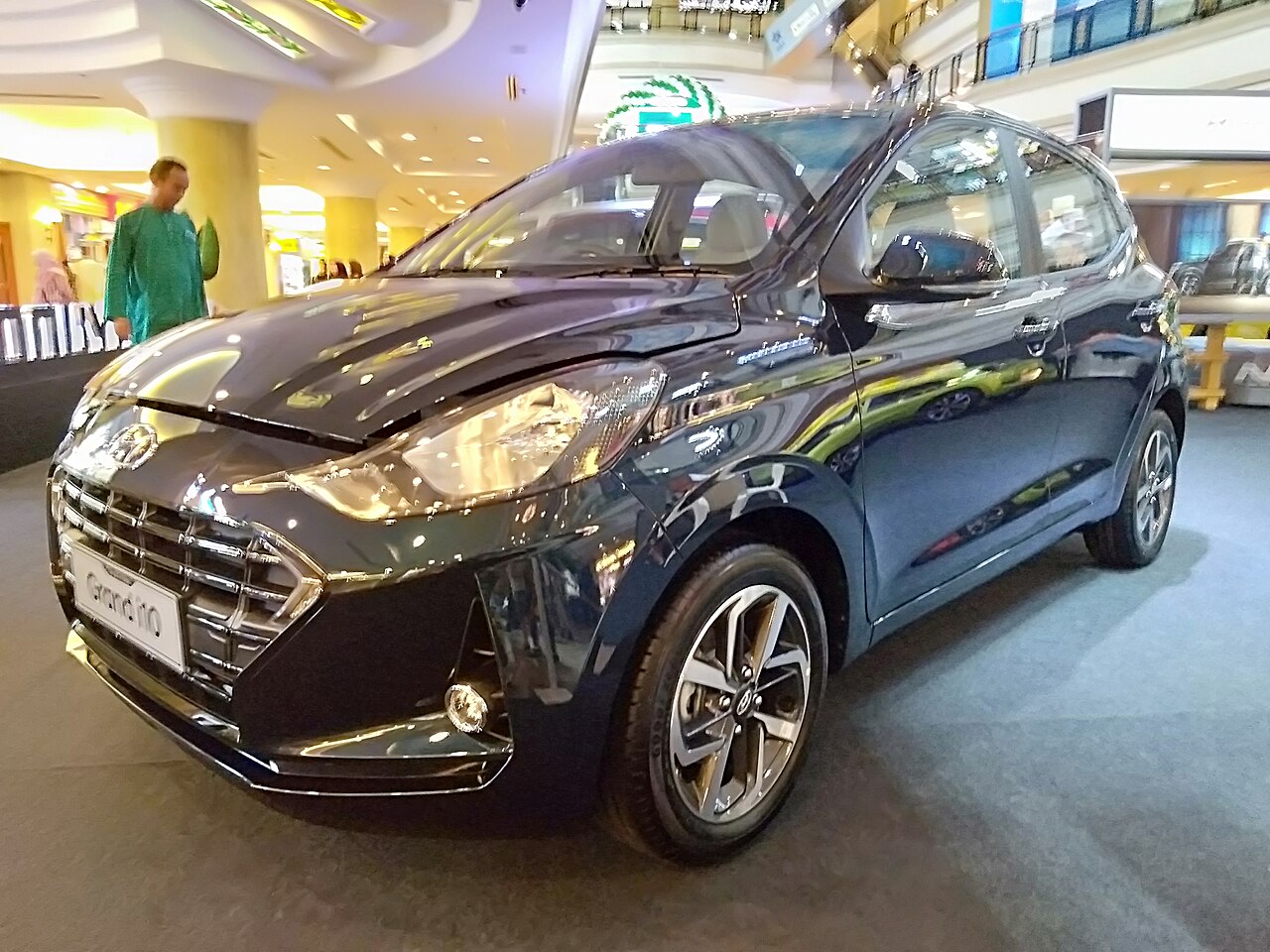
Hyundai Grand i10 — lowest cost per kilometre
Hatchback · Uber Go tier · lightest qualifying car here
The lightest qualifying hatchback on this list, which is why its fuel cost per kilometre is the lowest. The saving compounds: smaller footprint also means cheaper tyres and cheaper services, and those are charged per kilometre just like fuel. Choose this if you are starting out and want the smallest gap between fares and costs.
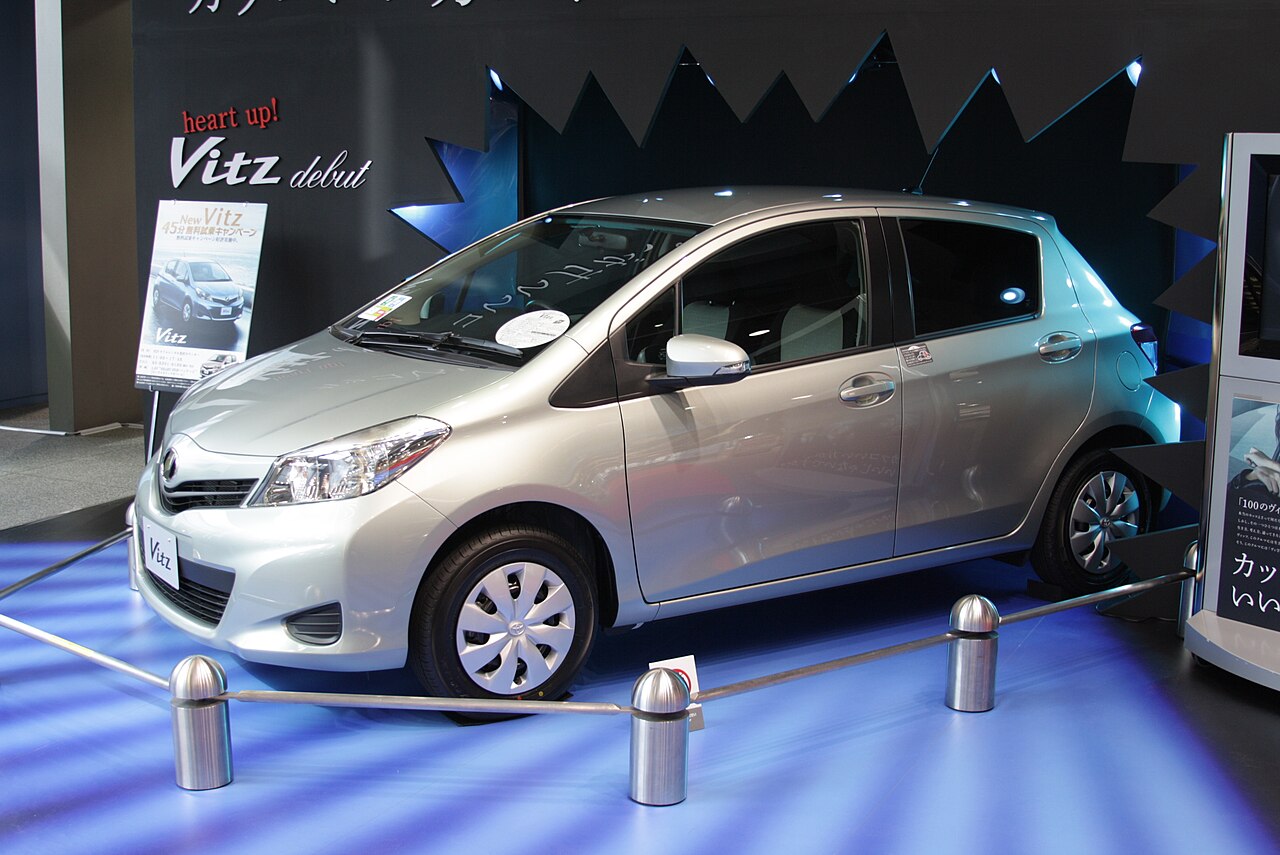
Toyota Vitz — cheap to keep running
Hatchback · Uber Go tier · Toyota parts network
Toyotas run cheap to own, and the hatchback is easy to manoeuvre in Johannesburg traffic. It is also a car Uber Go drivers already know, which means a large pool of experience with this model and fewer unfamiliar-bills-of-materials problems when something wears out.
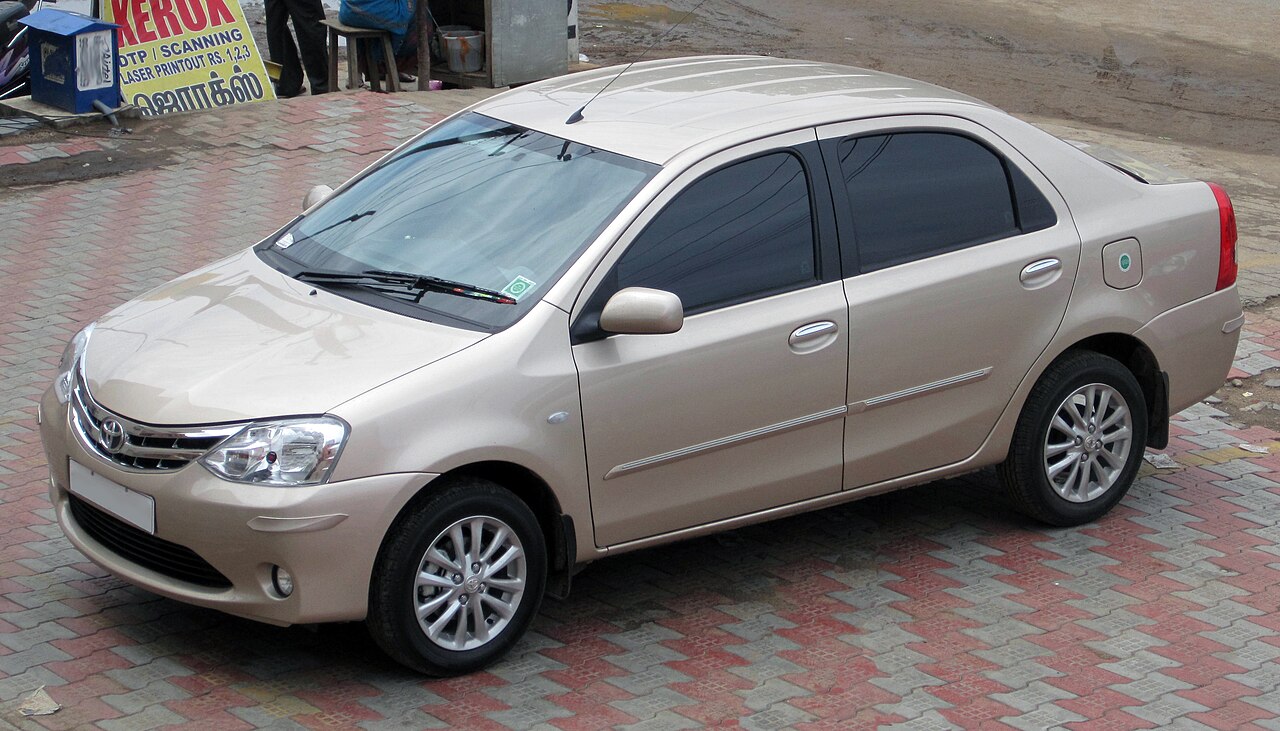
Toyota Etios — best all-rounder if you want a sedan
Saloon · Uber Go or UberX · built in South Africa
South Africa built this car, so every part is on a shelf within a day somewhere in the country. It is the cheapest honest route to a compliant four-door, and because it is a saloon rather than a hatchback it also clears the UberX shape rule — so it is the pick if there is any chance you will move up to UberX later.
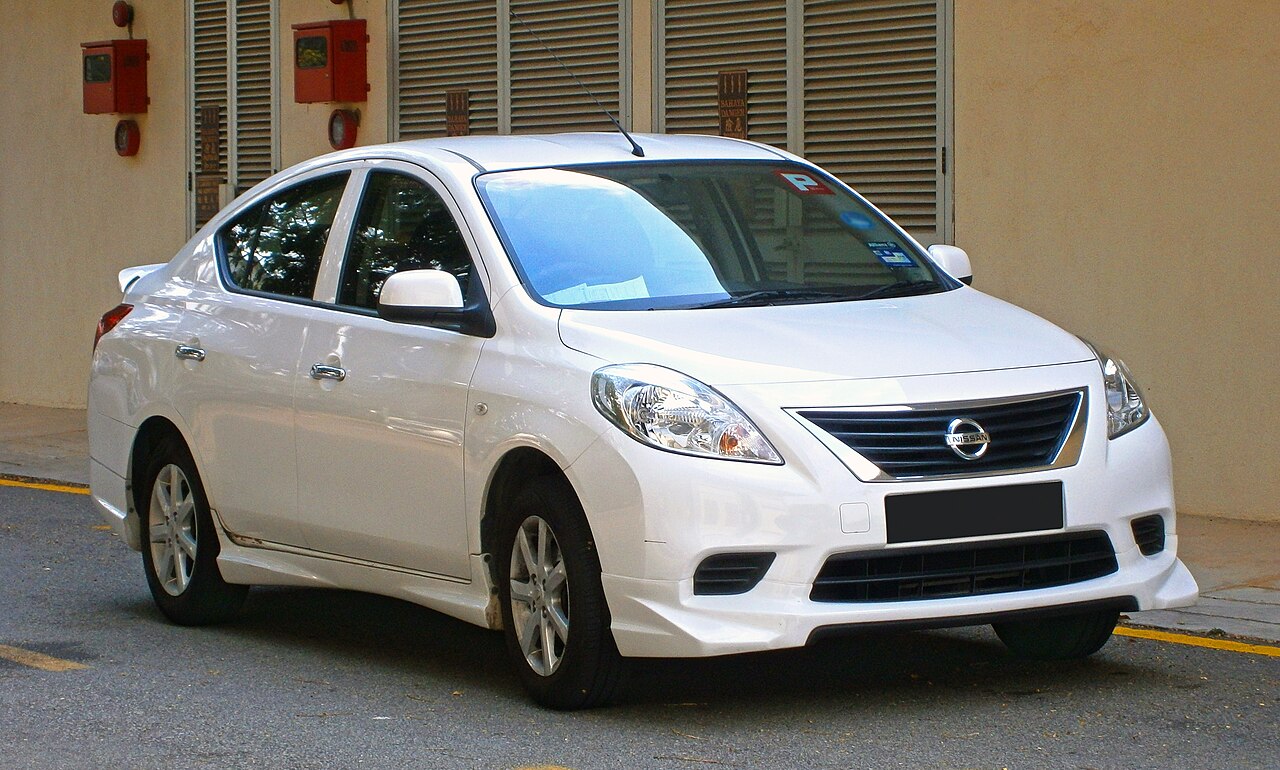
Nissan Almera — a sedan with room in it
Saloon · UberX tier · seats four properly
A saloon, which is what the UberX rule asks for, and big enough to seat four passengers without cramping them. It is heavier than the hatchbacks above, so it burns more per kilometre — it buys you eligibility and cabin space using fuel. If your passengers regularly complain about legroom, that is a fair trade.
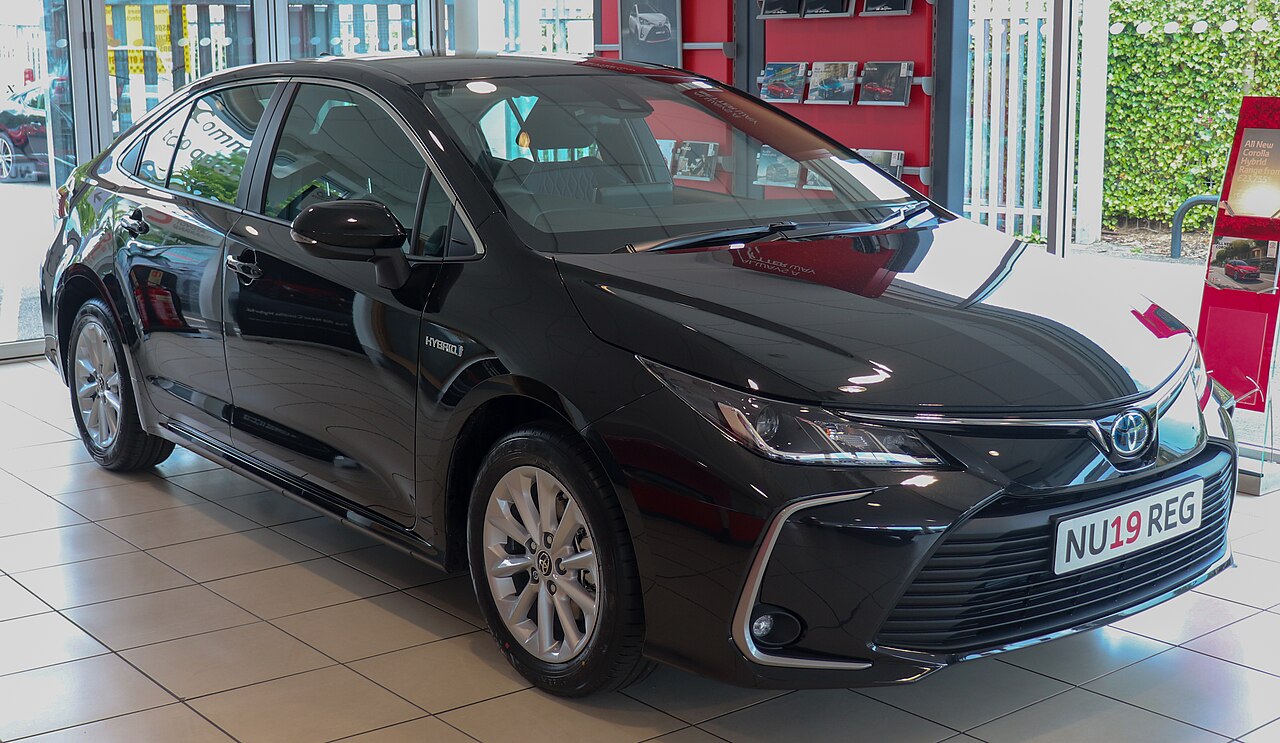
Toyota Corolla — the safe rental
Saloon · Go, UberX or Comfort tier · qualifies from 2022
The Corolla satisfies the shape rule at every tier from Go up to Comfort, holds its value, and has parts in every town in the country. You are paying a clear premium per kilometre here, and what you are buying with it is optionality and resale — not speed. Worth it if you will keep the car after the rental ends.
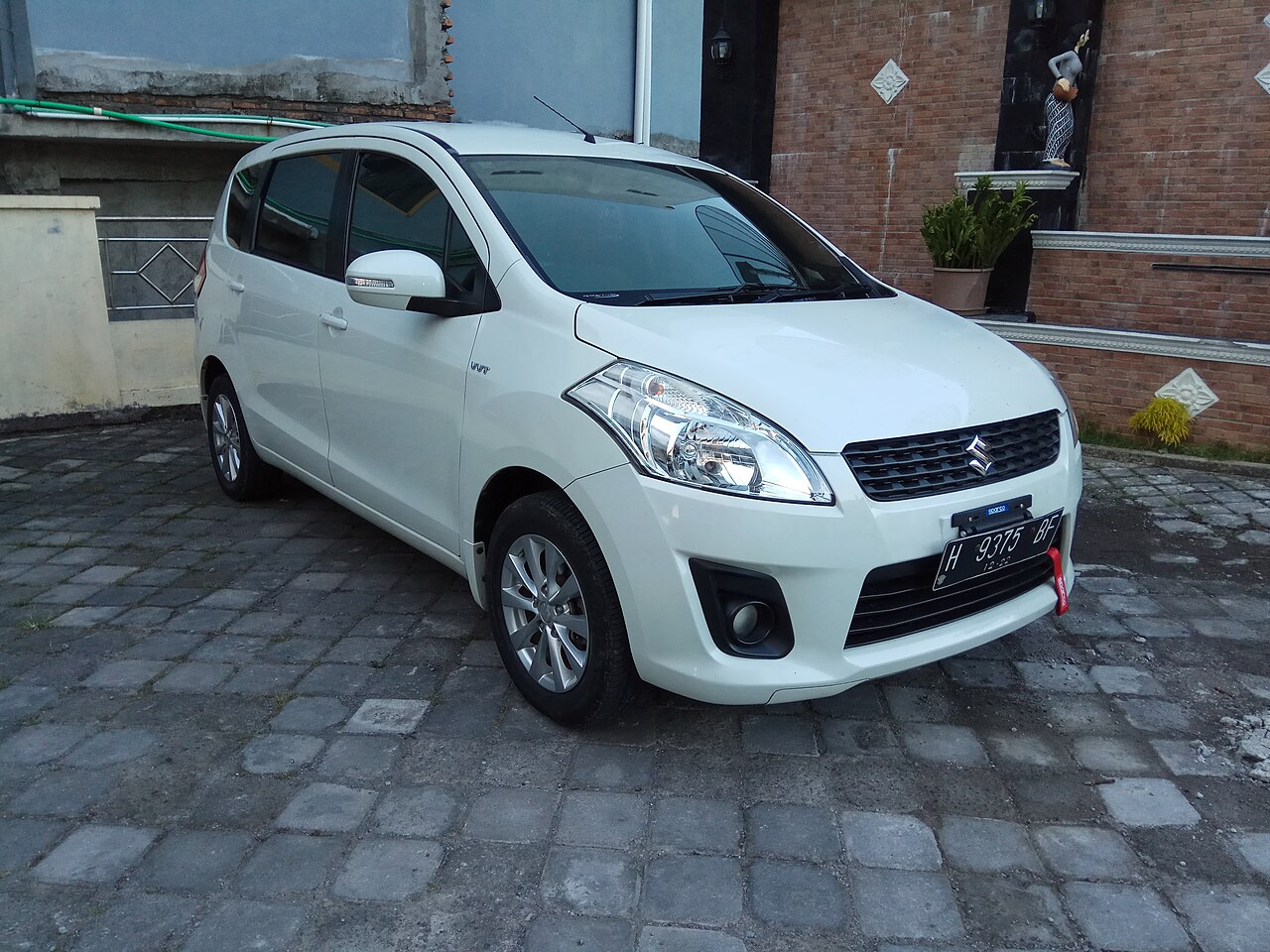
Suzuki Ertiga — only if you can get XL fares
7-seat MPV · Uber XL / Van tier · group and airport runs
Group bookings and airport runs are where an MPV earns its keep: one booking can pay for the whole day. It has the highest fuel use on this list, so it only makes sense if you can get XL fares rather than Go fares. Renting one for ordinary city trips is the most common expensive mistake in this whole guide.
What about the Toyota Quantum?
The Quantum is the vehicle most South Africans associate with e-hailing, and in practice it is everywhere. Eligibility is not automatic, though. Uber's stated rules exclude full-sized vans and trucks from its tiers, and the XL tier asks for a 5-door MPV eight years or newer. A Quantum is a light commercial derivative, which puts it in a grey area that neither the rule text nor a phone call settles.
So if a rental company offers you a Quantum for e-hailing, treat it as a question to verify in the driver app before you pay the deposit, not after you have committed to a weekly rent. We have deliberately not ranked it above, because a car that may fail inspection is worse than a car that costs more but certainly passes.
Five things that quietly cost you the rental
- The operating licence. Per vehicle, not per driver, commonly 60–90 days, roughly R600 application fee plus certification, panic button and roadworthy costs. Start it the day you sign, not the week you want to drive.
- The agency's paperwork. If the car is not registered in your name you need an agency letter from the registered owner plus a certified copy of their ID. Ask the rental company for it in writing before the deposit leaves your account.
- Insurance that actually covers e-hailing. Ordinary rental cover frequently excludes carrying passengers for payment. Get written confirmation that the policy names e-hailing, and keep it with your agreement.
- Deposit slices. A large deposit taken weekly out of your earnings can cost more than the car does. Ask whether it can be split, and get the schedule in writing.
- Age creep. Uber Go currently allows 2014 model years, but the limit moves. A car that qualifies today can fall out of date mid-lease. Check the fleet and e-hailing guides before signing anything longer than a month.
How to check a car before you sign
- Model year, from the licence disc — platforms count from the model year, not the first registration date.
- Body shape — hatchback or sedan, and which tier you are targeting.
- ABS and both airbags fitted, and air conditioning and windows working. Every tier asks for them.
- Cosmetic condition — Uber rules out cosmetic damage on every tier. Inspect in daylight.
- Not salvaged or rebuilt, and not previously marked as a taxi or government vehicle.
- A clean, written rental agreement with the rent, deposit, deposit-return terms and notice period on it.
Find a car that meets the rules, with the paperwork on the record
Every vehicle on BhutiFuel is listed by an owner or a rental business whose identity has been checked, and every rental runs on a written agreement with a logged deposit. Drivers apply with a verified licence, PrDP and phone attached, so an owner is choosing from people who can actually drive — not from tyre-kickers. Search by area and budget, filter to your platform, and apply in a couple of taps.
Once you have the car, stop guessing what it costs
Knowing your real cost per kilometre turns "this week was a bad week" into a number you can act on. BhutiFuel logs your litres, trips and earnings as you drive, works out your true cost per kilometre, projects your month, and shows you where your money actually goes — including idle time you are paying for and not earning from. Logging is free forever; the monthly PDF, SARS fuel-claim report and CSV exports are paid, priced in rands.
Please read this properly. This page is general information, not legal, tax, insurance or platform advice. Platform eligibility rules, provincial operating-licence requirements and every fee mentioned change regularly and differ by province, city and vehicle type — confirm current figures with the platform and with your Provincial Regulatory Entity before you sign anything. Verify any tax treatment with SARS or a registered tax practitioner. Photos are of the models named, not of vehicles currently available to rent.
Photo credits
Photographs are of the models named, used under the licences below. They are not photographs of vehicles currently available to rent.